Central vs Obstructive Sleep Apnea and How to Obtain a Diagnosis
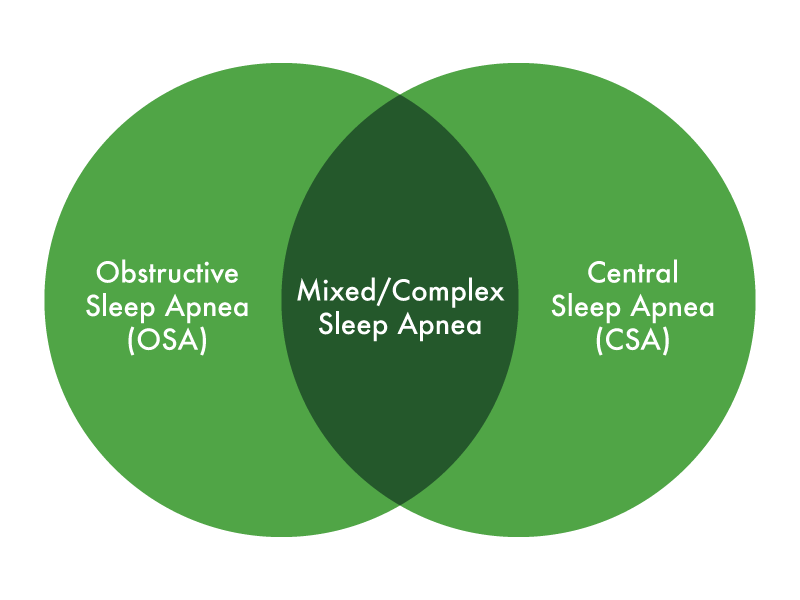
Sleep apnea is a disorder characterized by repeated interruptions in breathing during sleep. There are two main types: obstructive sleep apnea (OSA) and central sleep apnea (CSA). Obstructive sleep apnea occurs when the muscles in the throat relax excessively, causing a blockage in the airway and preventing airflow. In contrast, central sleep apnea is caused by the brain failing to send proper signals to the muscles that control breathing, resulting in lapses in respiration without airway obstruction.
Obtaining a diagnosis typically begins with a clinical evaluation by a healthcare provider, who will review symptoms such as loud snoring, gasping for air during sleep, and daytime fatigue. The most definitive diagnostic tool is a sleep study, known as polysomnography, which monitors breathing patterns, oxygen levels, heart rate, and brain activity overnight. This test helps distinguish between obstructive and central sleep apnea by identifying whether breathing interruptions are due to airway blockage or a lack of respiratory effort. In some cases, home sleep apnea tests may also be used, but a full in-lab study provides more detailed information for an accurate diagnosis.
Diagnosis of Central vs Obstructive Sleep Apnea
Proper diagnosis of central and obstructive sleep apnea is essential, as the two conditions have different underlying causes and require distinct management strategies. Central sleep apnea is characterized by a lack of respiratory effort due to disrupted signals from the brain, while obstructive sleep apnea involves a physical blockage of the upper airway despite continued respiratory effort.
Polysomnography, or an overnight sleep study, is the gold standard for differentiating between these types. During the study, measurements of airflow, respiratory effort, blood oxygen levels, and brain activity help clinicians determine if breathing interruptions are due to airway obstruction or a lack of effort. Additional tests or imaging may be considered to rule out contributing medical conditions and guide appropriate treatment.
Treating Central vs Obstructive Sleep Apnea
Treatment approaches for central and obstructive sleep apnea differ significantly due to their distinct causes. Obstructive sleep apnea is commonly managed with continuous positive airway pressure (CPAP) therapy, which keeps the airway open during sleep, along with lifestyle modifications such as weight loss and positional therapy. In some cases, oral appliances or surgical interventions may be recommended if CPAP is not tolerated or effective.
Central sleep apnea, on the other hand, may require therapies that address the underlying neurological or medical conditions contributing to the disorder. Adaptive servo-ventilation (ASV) devices, supplemental oxygen, or medications to stabilize breathing patterns can be used. It is also important to review and adjust medications that might exacerbate central sleep apnea, and to treat associated conditions such as heart failure when present. Individualized treatment plans are crucial for both types to improve sleep quality and overall health.
Evaluating the efficacy of therapy for central and obstructive sleep apnea involves ongoing monitoring and follow-up sleep studies. For both types, repeat polysomnography is often performed after initiating treatment to assess improvements in breathing patterns, oxygen levels, and sleep quality. In obstructive sleep apnea, clinicians may also review data from CPAP or other devices to verify adequate usage and effectiveness, making adjustments as needed. For central sleep apnea, therapy efficacy is assessed not only by symptom improvement, but also by tracking reduction in central events and evaluating any changes in underlying conditions, such as heart failure. Regular follow-up appointments allow healthcare providers to fine-tune therapy, address side effects, and ensure that the selected interventions continue to meet each patient’s unique needs.
Overnight oximetry (ONO) is a non-invasive diagnostic tool that monitors a patient's blood oxygen saturation levels continuously throughout the night. While ONO alone cannot definitively distinguish between central, obstructive, or mixed sleep apnea, it can provide valuable initial screening information by identifying abnormal drops in oxygen saturation associated with apneic events. Patterns of desaturation, frequency of events, and recovery times observed in ONO data may prompt further evaluation with comprehensive polysomnography, helping clinicians decide which patients require more detailed assessment for central, obstructive, or mixed sleep apnea.
In the context of central sleep apnea, ONO may reveal periodic or cyclical desaturations without the characteristic signs of airway obstruction, whereas obstructive sleep apnea typically shows abrupt drops in oxygen levels corresponding to episodes of airway collapse. Mixed sleep apnea may present as a combination of both patterns. Thus, while ONO does not replace polysomnography, it serves as a useful screening tool to identify individuals at risk and guide the need for more advanced diagnostic procedures.
Emergent central sleep apnea (CSA) during CPAP therapy can occur at various points, but it's often observed within the first few weeks to months of starting treatment. Some patients may experience it within the first night or two, while others might develop it later, even after weeks or months. Here's a more detailed breakdown:
Early Onset: Some individuals experience CSA within the first few nights of CPAP use, potentially as a transient phenomenon or as a sign of complex sleep apnea.
Variable Onset: Studies show that the emergence of CSA during CPAP is highly variable, with some patients developing it within the first 90 days, while others may experience it later.
Delayed Emergence: In some cases, CSA may not be apparent during initial CPAP titration but can emerge later, a phenomenon sometimes referred to as delayed treatment-emergent central sleep apnea (D-TECSA).
Resolution:
It's important to note that many cases of emergent CSA are transient and resolve with continued CPAP use.
Factors Influencing Onset:
Older patients, those with higher residual apnea-hypopnea index (AHI) and leak, and those with poor CPAP compliance may be at higher risk for emergent CSA, according to ScienceDirect.com. Therefore, while emergent CSA can appear early in CPAP therapy, it's not necessarily an immediate occurrence.
Regular monitoring and follow-up are crucial to identify and manage this phenomenon, as it can impact CPAP adherence and treatment outcomes.